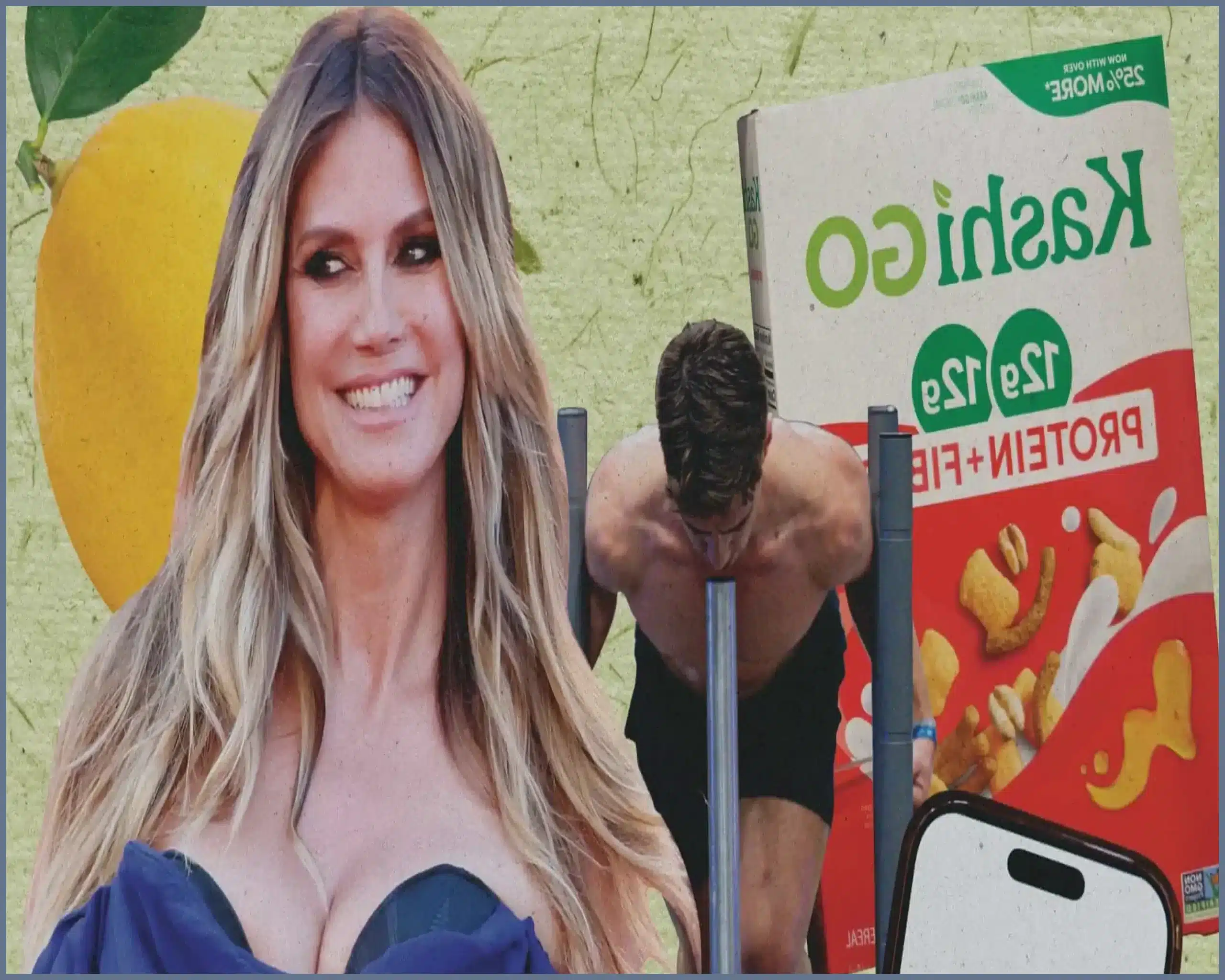
Every year, the wellness industry churns out new products and practices that it claims are finally – finally! – the real secret to being well. Sometimes, these trends are legitimate. Sometimes they’re utter nonsense. Often they’re somewhere in between. In 2026, the industry continues to introduce a wide array of products and practices, ranging from legitimate health aids to questionable fads. This year, consumers and experts alike are navigating trends that span artificial intelligence, extreme dietary adjustments, and unconventional relationship practices, highlighting the ongoing tension between marketing claims and scientific evidence.
Artificial intelligence has quickly integrated into daily wellness routines, with people utilizing chatbots for nutrition advice, fitness plans, and relationship guidance. In May, some users shared how AI-driven personalization helped them maintain fitness routines, though they cautioned that the tool can be confidently incorrect. While experts acknowledge that AI can lower barriers to self-reflection and help clarify personal goals, they warn that because these models are trained on massive datasets of human-generated information, their advice risks being generic and reinforcing dominant cultural narratives rather than addressing individual needs.
Social media has also driven a surge of interest in parasite cleanses. Last year, supermodel Heidi Klum shared that she and her husband undertook a cleanse due to the prevalence of the topic on her Instagram feed. Online influencers claim these herbal deworming cleanses can improve sleep, gut health, mood, and skin. However, experts emphasize that while parasitic infections are real, they are far less common in areas with proper sanitation. Furthermore, these infections cannot be treated with TikTok-marketed herbal supplements; they require stool or blood tests for diagnosis and are treated with prescribed antibiotics or antiparasitic medications.
Another prominent trend is "proteinmaxxing," where consumers supplement their diet with protein-fortified foods like cereals, powders, popcorn, and pretzels. This trend is partly fueled by the rise of GLP-1 weight-loss medications, which make maintaining muscle mass crucial as food intake decreases. Experts note, however, that there is a limit to how much protein helps build muscle. Most adults need about 0.8 grams of protein per kilogram of body weight, and even for dedicated weightlifters, muscle synthesis benefits plateau above 1.6 grams per kilogram.
Beyond physical health, wellness trends in 2026 have touched on emotional milestones through "divorce rings" or "F-you rings." This practice involves repurposing engagement and wedding rings after a marriage ends, popularized by celebrities such as Emily Ratajkowski and Rachel Zoe. One woman who refashioned her wedding ring explained that the jewelry is not necessarily a statement against an ex-husband, but rather a rejection of societal expectations that a woman's primary purpose is to be a wife rather than her own person.
In dietary trends, some influencers have taken to drinking shots of olive oil and lemon juice to boost skin and digestion. While olive oil contains monounsaturated fats that lower bad cholesterol and keep artery walls flexible, as well as anti-inflammatory polyphenols, experts suggest it is safer and more enjoyable to simply consume the mixture on a salad. Meanwhile, the fitness world has been dominated by Hyrox, a grueling competition founded in 2017. Comprising eight one-kilometer runs and eight distinct workouts—including rowing, farmer's carries, burpee broad jumps, and pushing or pulling sleds—Hyrox has captivated active young professionals. Participant Wilson Wong remarked that baseline fitness and adrenaline were not enough to carry him through the challenging event.
On the nutrition front, "boy kibble" has emerged as a trend repackaging basic bodybuilding nutrition. While a balanced mix of protein, fat, carbohydrates, and fiber makes it a nutritious meal option, nutritionists warn against relying on it exclusively, advising that other meals should offer more variety. Similarly, so-called “functional foods” – foods that provide specific health benefits or enhance the body’s processes – are not new, but they have risen in popularity with the ascent of wellness influencers and increasingly health-conscious consumers. Experts agree functional food claims should be taken with a grain of salt, and nutrition expert Dr. Marion Nestle cautioned that most of these claims are driven by marketing rather than science, pointing out that the amount of nutrients or probiotics added to functional foods tends to be far below what has been studied in clinical trials.
Social wellness has also evolved with the "burnout method" in dating. Applied to dating, this means blocking any person who doesn’t seem like a match. There are also 10 “rules of engagement” (for example, don’t spend too much time on the apps; don’t message for too long before meeting in person) and 33 red flag rhetorical patterns (for example, sending an inappropriately sexual first message). Critics argue the method is too unforgiving towards men, and that it doesn’t encourage enough self-reflection on the part of the person doing the burning. Followers of the method say it has helped them go on fewer but more promising dates. In physical wellness, the billion-dollar vaginal probiotic industry continues to market suppositories and supplements claiming to improve odor and health, though experts warn the claims quickly deviate from scientific truth. Finally, concerns over declining global sperm counts since the 1970s—linked to stress, poor sleep, and air pollution—have sparked "spermmaxxing" trends. Influencers suggest remedies like eating garlic or dipping testicles in ice water, but medical experts advise that the most effective approach remains simple: prioritize sleep, maintain a healthy diet, and exercise regularly.
Related Articles
Meet Md. Rubel Rana
As a core contributor to Worlddincidents.com, Rubel Rana brings a unique perspective to the world of journalism. Whether it’s deep-diving into historical trivia or covering the latest global headlines, Rubel Rana is committed to delivering high-quality, high-impact articles. Their writing blends meticulous research with a compelling voice, helping readers stay informed and curious about the world around them.