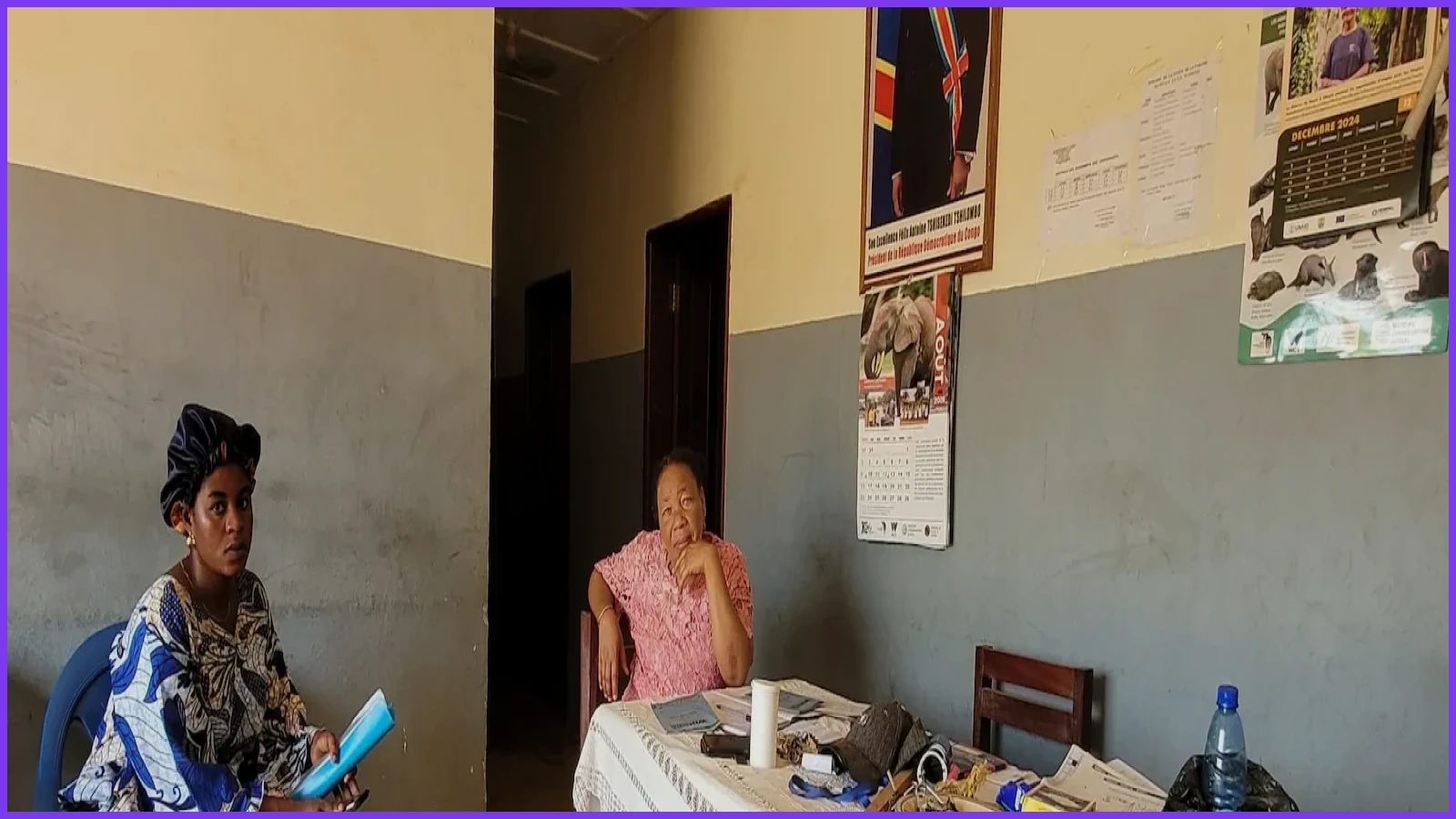
Parents and teachers situated at the heart of the Democratic Republic of the Congo’s severe Ebola outbreak are calling on government officials to postpone the scheduled reopening of schools. With infections continuing to rise at a rate that outpaces containment efforts, stakeholders in the eastern Ituri province argue that returning to classrooms presents an unacceptable risk to children.
According to current data from Congolese health authorities, the outbreak in Ituri is the fastest-growing in the disease’s history. The crisis remains largely uncontained, with 5,713 confirmed cases and 2,744 deaths recorded. Health statistics indicate that children aged 4 and younger face the highest case-fatality rate of any demographic, currently standing at 60 percent.
While schools across the nation are slated to resume on September 1, educators in Bunia, the capital of Ituri, have expressed deep concern. Fazila Rebecca, a local teacher, stated, “We want to resume classes, but not at the cost of our lives. As long as the disease is circulating and protective measures remain inadequate, returning to the classroom means taking a risk we cannot ignore.” This sentiment was echoed by another parent, who noted the fear that children might be exposed at school and subsequently bring the illness home.
The local teachers union in Ituri held a meeting on Tuesday to formalize their request for an official assessment of the outbreak before any final decision on school reopening is made. Budju Lobo Isaac, a representative for the union, emphasized that while they are not opposed to education, the health and safety of students and staff and students must be the primary priority. Authorities in the region have not yet provided a response to these concerns.
Global support for the crisis remains insufficient. United Nations Secretary-General António Guterres announced on Thursday that an additional $1.1 billion is urgently required to manage the outbreak. The existing $2.13 billion response plan is only 48 percent funded, a deficit largely attributed to the scale of the challenge and lagging international contributions. Guterres warned that vital operations risk running out of funds precisely when they need to expand.
The outbreak, which officials now believe has been spreading since February despite being declared in mid-May, is compounded by regional insecurity, displacement, and a strike by health workers. The World Health Organization has described the situation as out of control, noting it is on a trajectory to surpass the 2014-2016 West Africa outbreak, which caused over 11,000 deaths. The virus involved is a rare Bundibugyo strain for which there are no currently approved vaccines or treatments, though clinical trials are underway.
Beyond the logistical challenges of implementing social distancing and sanitary measures in schools, experts stress the necessity of community trust. Greg Ramm, director for Save the Children in Congo, stated, “Beyond the practical challenges, community acceptance remains critical. The immediate priority is to ensure that every school, teacher and family has the information and resources they need to make the start of the school year as safe as possible for children.”
Related Articles

Meet Md. Rubel Rana
As a core contributor to Worlddincidents.com, Rubel Rana brings a unique perspective to the world of journalism. Whether it’s deep-diving into historical trivia or covering the latest global headlines, Rubel Rana is committed to delivering high-quality, high-impact articles. Their writing blends meticulous research with a compelling voice, helping readers stay informed and curious about the world around them.