Saudi Arabia is currently navigating a precarious geopolitical dilemma as it attempts to maintain distance from the ongoing conflict between the United States, Israel, and Iran, which began on 28 February. Despite a desire to remain outside the fray, the Kingdom has found itself under pressure after facing attacks from three distinct fronts, leading Riyadh to adopt a more assertive military posture.
This week, Saudi forces conducted joint strikes with the United States against Iranian-backed proxy militias in Iraq, which the Saudis believe have been launching drones at the Kingdom.
The strategic challenge for the Kingdom involves deciding whether to continue utilizing retaliatory strikes as a deterrent or to pivot toward a de-escalation strategy, which could potentially involve financial settlements with its various adversaries. The current regional conflict has persisted for five months, creating a deep divide between two primary factions.
On one side, Iran and its Islamic Revolutionary Guards Corps (IRGC) maintain alliances with groups such as the Houthis in Yemen, who have controlled significant portions of the country since 2014, and Hezbollah in Lebanon, which is currently maintaining a low profile.
Opposing them is the United States and its Central Command forces, supported by Jordan and various Gulf Arab states. Israel remains a close US ally but is currently not an active participant in this war. Iran has recently concentrated its drone and missile attacks on Jordan, Kuwait, and Bahrain, while also targeting commercial shipping in the Strait of Hormuz.
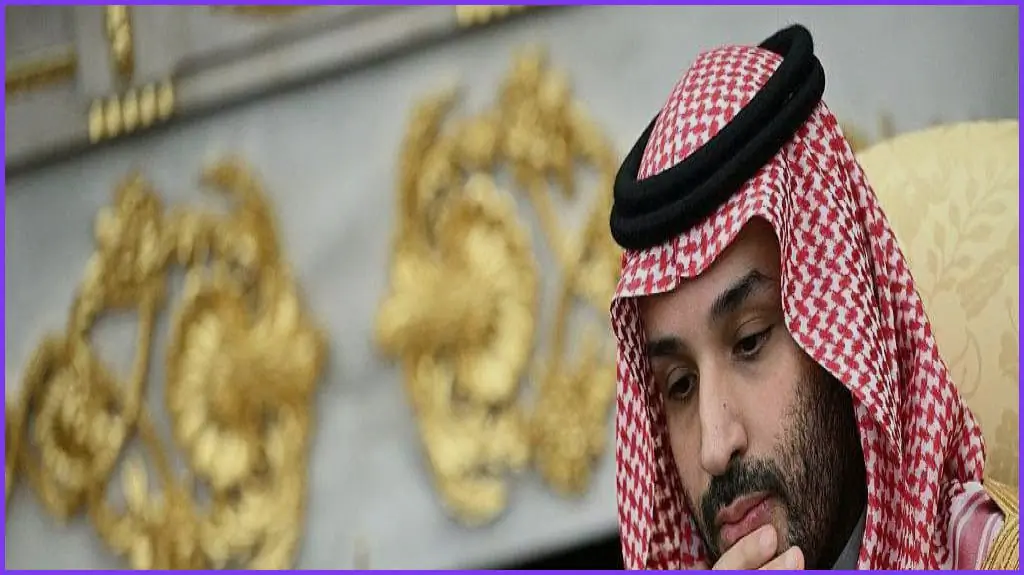
For Saudi Arabia, the primary motivation for avoiding a full-scale war is the implementation of "Vision 2030," an ambitious roadmap led by the de facto ruler, Crown Prince Mohammed Bin Salman. This initiative aims to transition the Saudi economy away from oil dependency by fostering modern domestic industries and creating employment for hundreds of thousands of graduates and school leavers annually.
The success of this vision relies heavily on attracting foreign investment and developing critical infrastructure, including data centers, which are susceptible to damage from regional instability. Long-term threats from Houthi drones or Iranian ballistic missiles directly undermine these development goals.
The vulnerability of Saudi infrastructure was highlighted in September 2019, when an Iranian proxy militia in Iraq launched a coordinated drone strike against the Abqaiq and Khurais oil facilities. That attack knocked half of Saudi oil exports offline for several days and served as a wake-up call regarding the vulnerability of critical national infrastructure.
On Monday, satellite imagery confirmed that the Abqaiq oil facility was again targeted by drones launched by Iranian proxy militias in Iraq.
Oil export logistics have also been severely disrupted. Following Iranian retaliation in February that effectively closed the Strait of Hormuz—a vital channel for 20% of global oil and liquified natural gas—the Saudis redirected as much as five million barrels per day through their east-west pipeline to the Red Sea terminal at Yanbu.
However, the security situation worsened on 13 July after Saudi forces bombed Sanaa airport to prevent an Iranian plane from landing. This prompted retaliatory Houthi attacks on regional airports in Abha and Jizan.
More concerning for Riyadh, the Houthis have begun attacking Saudi shipping in the Red Sea, making it dangerous for vessels to pass through the Bab El Mandeb strait, which chokes off oil exports to Asia. Having previously spent seven years in a failed attempt to bomb the Houthis into submission, Saudi Arabia now faces a renewed threat from its southern neighbor alongside the ongoing pressure from militias in the north, a scenario never envisaged in the plans for Vision 2030.
First, a bit of context. There are broadly two sides in the conflict that has been consuming the Gulf and other parts of the Middle East for five months now.
Then there is oil, still the lifeblood of the Saudi economy.
Related Articles

Md. Kazi Bijoy is a dedicated tech enthusiast and content creator with a passion for digital innovation. With years of experience in the tech industry, he specializes in breaking down complex topics into easy-to-understand guides. When he isn’t writing, he explores the latest gadgets and researches emerging trends in the digital world.