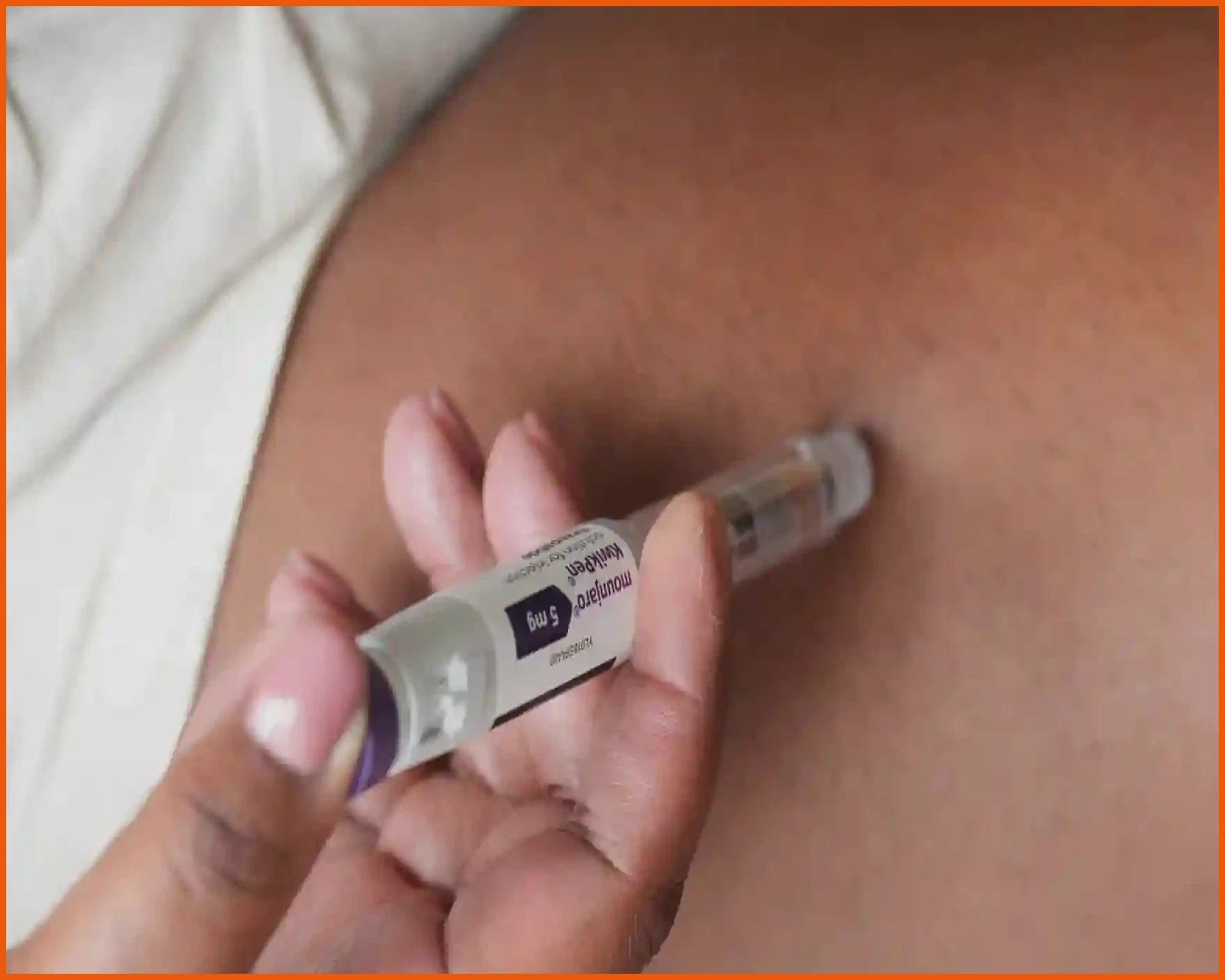
The global rise of GLP-1 weight-loss medications in the United States and the United Kingdom is transforming more than just physical bodies. According to clinical experts and patients alike, these treatments are also fundamentally reshaping personal relationships, sometimes bringing couples closer together and other times exposing deep-seated marital and social fractures.
Dr. Lindsey Berisha, a licensed clinical psychologist who has worked with clients using GLP-1s for more than a decade, explains that relationships naturally develop a sense of equilibrium and predictability over time. When one partner undergoes a dramatic transformation, it can disrupt this balance, creating uncertainty for both individuals, even if the change is positive. Berisha notes that many of her clients experience profound relief when they are no longer consumed by constant thoughts of food. This mental shift often fosters greater self-compassion, as users realize their previous struggles were driven by biology rather than a lack of willpower—a realization that Berisha says can be even more impactful than the physical weight loss itself.
However, these changes can trigger complex reactions from loved ones. Psychologist Dr. Rachel Goldman points out that responses from partners, family members, and friends can range from enthusiastic support to insecurity, feelings of being left behind, or anxiety about the future of the relationship. None of these reactions mean there is a problem with the medication or the relationship, Goldman emphasizes: “The goal is to recognize those shifts, communicate about them, and find new ways to connect rather than assuming the other person knows what you’re experiencing.”
For many users, the decision to start GLP-1 medications is fraught with internal conflict and fear of judgment, leading some to keep their treatment entirely secret. One anonymous user, who has been on Wegovy for six months and has lost over two stone (28 pounds or 13 kilograms), hid the medication in her fridge. Her 20-year-old daughter discovered it when a friend spotted it. The mother admits she felt too ashamed to tell anyone, and the discovery triggered feelings of worry, anger, and jealousy in her daughter. Because cooking and eating together are central to their family life, the mother worried about the signal she was sending to her children, feeling as though she had offloaded her insecurities onto an injectable pen. While she feels physically better, calmer, and more flexible, she struggles with the feeling that she is "cheating" rather than losing weight through sheer willpower.
This fear of being accused of "cheating" is a common theme. Another anonymous individual, who has used a GLP-1 for nearly two years, has kept the treatment secret from almost everyone due to weight stigma. While her partner is happy for her and loves her new look, the user has noticed a frustrating shift in her professional life. She notes that at work, people respect her more, people she does not know have more time for her, and she receives more praise than before, calling the change ridiculous and rude. She worries that admitting to using the drug would expose her lifelong pretense of not caring about her weight. Another anonymous user shared a similar sentiment about keeping secrets in a new romance: “I’ve started a new relationship and my partner doesn’t know. I like to think he would be with me regardless of my weight. I think the main difference in myself that led to the relationship is my confidence and my willingness to put myself out there. Maybe one day I will tell him, but not yet.”
In contrast, some users view the medication as a straightforward medical tool. One anonymous individual shared: “For me, my main issue is binge eating, which is a very private and isolating habit. Nobody I love saw me tear through three takeaways a night – I’d hide that, which would create a distancing sense of shame. If anything, the medication means I can be more present and open with the people I care about.” They compare the treatment to dental anesthesia, explaining that while someone could theoretically undergo a root canal without anesthetic or lose weight by white-knuckling through hunger pangs and miserable restrictions, they prefer to use a brilliant medical invention that makes reaching their health goals manageable.
For other couples, the physical and emotional changes brought on by rapid weight loss have led to severe relationship strain. One woman who lost 5 stone (70 pounds or 32 kilograms) was devastated when her husband of 25 years told her he was no longer in love with her. She realized that while she had become the person she wanted to be, she no longer relied on his validation. Despite the heartbreak, the couple, who have been together for 32 years and share three children, decided to stay together and try to repair their marriage by dating again, relying on mutual love and respect even in the absence of intimacy.
Other relationships have not survived the transition. One man recounted how his ex-wife lost 70 pounds (31.8 kilograms) after a year on the medication; though he was proud of her, she ultimately left him for another man, leading to divorce. Another husband expressed deep frustration, claiming the drug destroyed his wife's appetite and her desire for anything other than sitting around watching television. He noted that while his wife used to be a little chubby, she was happy, whereas now she describes herself as skinny, ugly, and hates herself.
Conversely, some partners struggle with ideological differences surrounding obesity. One anonymous woman, who has struggled with obesity her entire adult life and faces a high risk of early death due to health complications, noted that her husband scoffs at the idea of obesity being a chronic and recurring disease. Instead, he believes people should simply make better lifestyle choices and stop making excuses, a stance she feels reflects how he views her.
The social impact also extends to friendships. One anonymous reader expressed frustration after her best friend of 15 years lost 3 stone (42 pounds or 19 kilograms) on a GLP-1. While pleased for her friend's happiness, she admitted to being sick of her talking about nothing else but weight, clothing sizes, and compliments. As someone who also struggles with weight, she expressed concern that the rise of these drugs is shifting the cultural narrative back to a place where fatness is suddenly massively unacceptable again. Meanwhile, another observer expressed support for their partner's successful weight loss but voiced concern about the drugs being used by individuals who do not clinically need them.
Yet, positive joint transformations are also possible. Sara, a 42-year-old living in Brunswick, UK, started Mounjaro in December 2024 and lost 35 kilograms (77.2 pounds), maintaining her progress on a micro-dose for nearly a year. She feels calmer, more confident, and has experienced an increase in sexual intimacy. Although her foodie partner initially found her reduced appetite for heavy foods challenging, he supported her journey. Today, the couple has replaced their old habits of drinking wine and eating cheese with daily exercise, swimming, visiting hot springs, and taking weekend walks together.
Related Articles

Mr. Udoy is a professional Web Developer and Blogger with 7+ years of experience in the tech world. He specializes in web architecture and digital storytelling. As the driving force behind worldincidents.com, he focuses on delivering high-quality, well-researched content to a global audience.