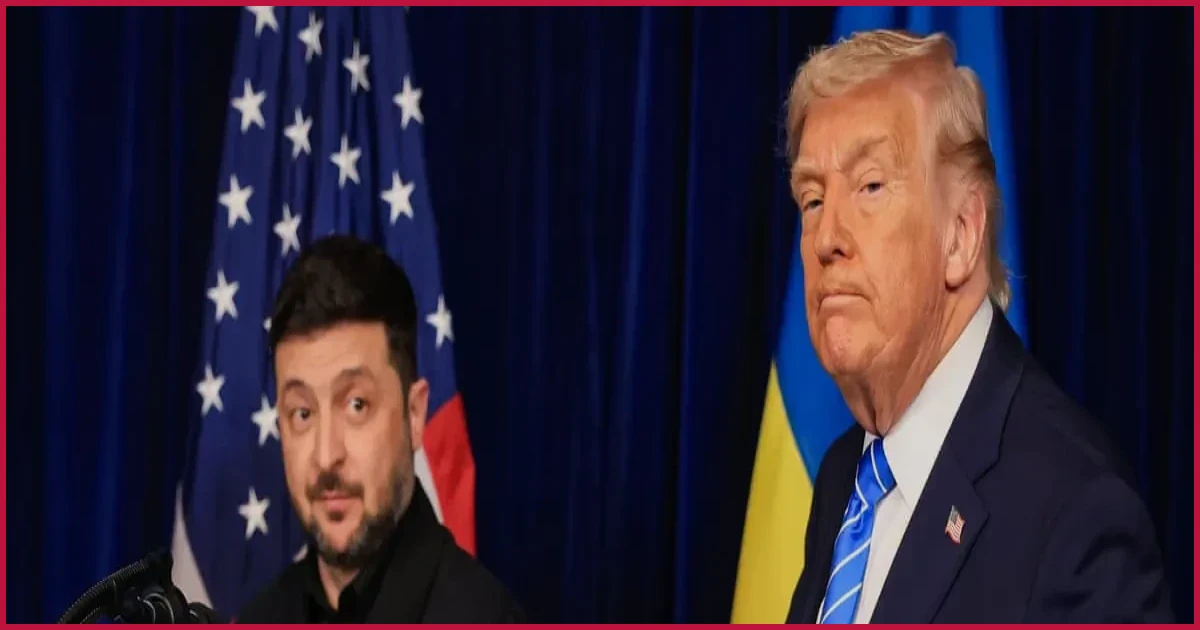
The established certainties of the transatlantic alliance have dissolved, leaving the world in a more dangerous position that necessitates increased self-reliance. President Donald Trump has consistently signaled his true intentions, yet the international community, including Britain, has been slow to accept the reality that the US president is acting not as a leader of the democratic west, but as a partner to its adversaries. This shift was made clear as early as February 2025, when Trump publicly humiliated Ukrainian President Volodymyr Zelenskyy in the Oval Office, telling him he lacked leverage while JD Vance demanded the Ukrainian leader show gratitude.
Recent actions have moved beyond rhetoric into active intervention. This week, Ukrainian forces discovered that the military-grade Starshield system—a version of Elon Musk’s Starlink used for drone guidance and air defense—was restricted to speeds below 100mph. This White House-ordered limitation has crippled Ukraine’s ability to strike behind frontlines and weakened its protection against Russian jet-propelled drones. Zelenskyy told Piers Morgan that this decision would lead to significant human losses, stating, "Of course, people will die."
The administration’s actions appear to be part of a broader pattern. This week, Ukraine faced multiple nights of Russian bombardment without the standard advance warnings from the US, leading to suspicions that intelligence sharing has been severed, despite White House denials. Furthermore, the US has moved to break international sanctions by agreeing to purchase $4 billion worth of Russian diesel. While this move aims to lower fuel prices for US midterm elections, it provides a vital cash infusion to the Russian war machine. Additionally, Trump has invited Vladimir Putin to a G20 meeting at one of his Florida golf clubs in December, effectively signaling his alignment with Moscow.
Whether these actions stem from greed, ideology, dictator envy, or kompromat, the result is an unreliable partner at the head of the western alliance. This is particularly alarming given that the head of MI5 recently labeled Russia "aggressor number one." Between February 2022 and February 2026, there have been 151 confirmed Russian-directed industrial sabotage incidents in Europe, and recent reports indicate Russian plans to assassinate European defense executives.
As the US midterm elections approach, European leaders must avoid the mistake of assuming a Democratic victory will restore the status quo. Experts warn that a constrained Trump could act as a "cornered animal," becoming even more extreme in foreign affairs. The shift in US political weather is permanent, and the lesson of the Starlink episode is that nations relying on US hardware remain vulnerable to a unilateral "off switch." As Gideon Rachman notes in his book War is Interested in You, the risk of a third world war is being taken very seriously by policymakers. Consequently, Britain and the rest of Europe must develop their own armies and arms to defend themselves in this new, dangerous world.
Whatever the motive, or whether, as Harding suggests, it’s some combination of greed, ideology, dictator envy and kompromat, the facts are unarguable. The most powerful member of the western alliance is, at best, an unreliable partner and, at worst, in league with the alliance’s chief enemy. Why this matters should not need spelling out, least of all in the week when the head of MI5 described Russia as “aggressor number one”. For years now, the Kremlin has demonstrated its willingness to attack Nato member states, usually in the form of hybrid or “grey zone” operations that are not overt acts of war but come instead with a patina of deniability. One study found that there have been than no fewer than “151 confirmed Russian-directed industrial sabotage incidents in Europe between February 2022 and February 2026”, while last weekend brought credible reports of a Russian intention to assassinate executives of key European defence firms.
What should the US’s erstwhile allies do about this new reality? The first task is to keep supporting Ukraine, all the more energetically given that Washington has, in effect, switched sides. The second is to avoid an error that is looming. The midterm elections, which are little more than a fortnight away, are expected to deliver big gains for the Democrats and a big blow to Trump. If Democrats retake one or both houses of Congress, plenty of European leaders will be tempted to exhale deeply, conclude that the orange storm has passed and that normal transatlantic service is about to resume. That would be a grave mistake.
Related Articles

Meet Md. Rubel Rana
As a core contributor to Worlddincidents.com, Rubel Rana brings a unique perspective to the world of journalism. Whether it’s deep-diving into historical trivia or covering the latest global headlines, Rubel Rana is committed to delivering high-quality, high-impact articles. Their writing blends meticulous research with a compelling voice, helping readers stay informed and curious about the world around them.