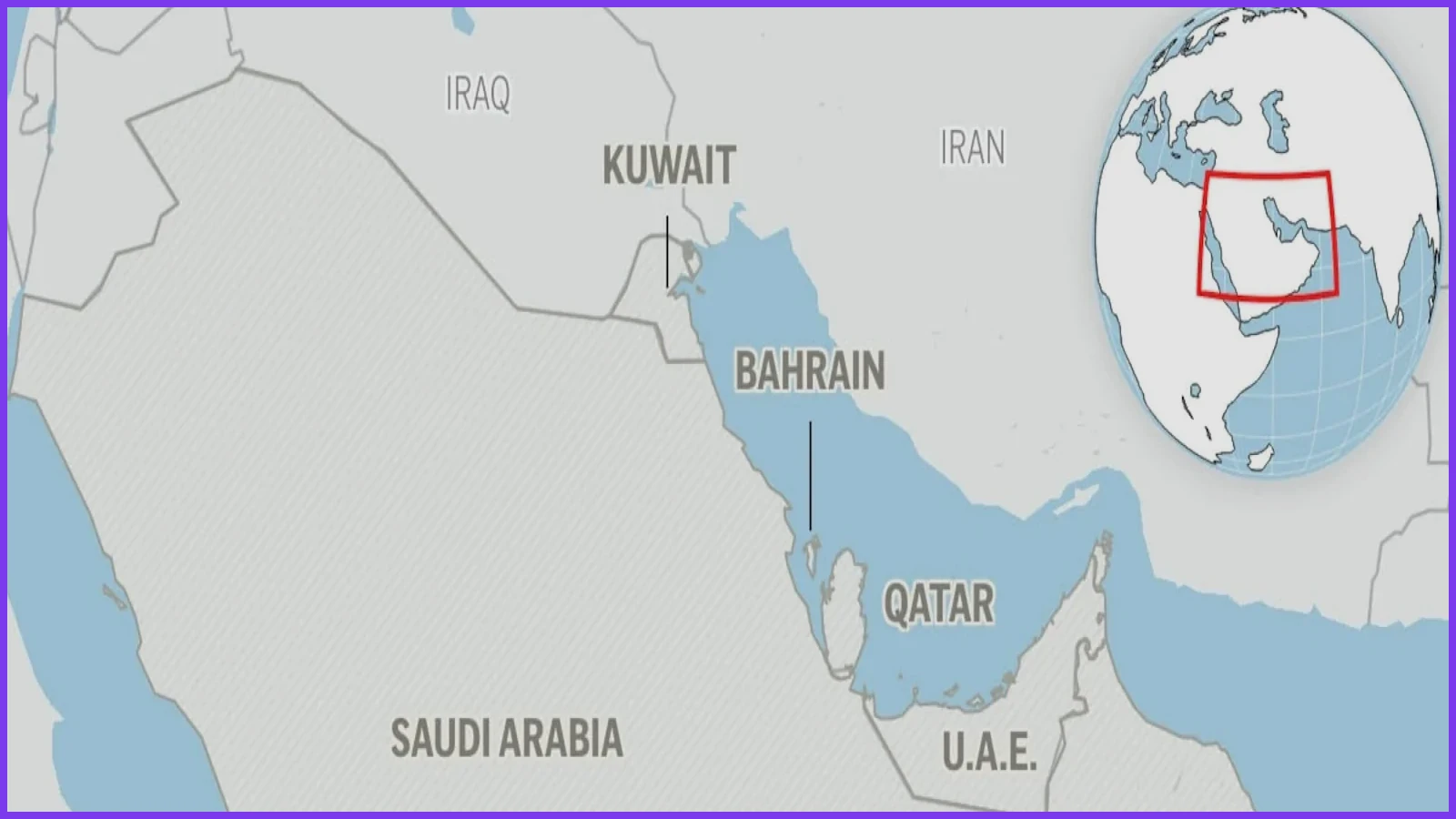
A top presidential adviser to the United Arab Emirates warned on Sunday that military solutions cannot provide a swift exit from the escalating confrontation with Iran, emphasizing that political diplomacy remains the only viable path to avert another dangerous round of conflict between Tehran and Washington. Speaking at the annual Manama Dialogue security summit in Bahrain, UAE adviser Anwar Gargash expressed hope for a diplomatic breakthrough in Qatar-led mediation efforts, even as regional powers brace for potential escalation.
Addressing the forum organized by the International Institute for Strategic Studies (IISS), Gargash described the wider Iran conflict—which erupted on Feb. 28 following joint strikes by the United States and Israel and subsequent Iranian counterattacks across Gulf states—as a "watershed year" for both the region and global security. He stressed that political tools must remain paramount, warning that military measures will only complicate an already intricate security environment without delivering effective off-ramps.
"We don’t really want to see another round of confrontation in the region," Gargash told attendees at the three-day summit in Manama, which brings together regional and international defense, foreign affairs, and security officials. However, he cautioned that logical analysis indicates the positions of Washington and Tehran remain far apart. "If these positions are not bridged, then we have to worry about the worst," he stated, adding that neither Iran nor the broader region can afford to endure another wave of open warfare.
The diplomatic push comes as Iranian negotiators conduct talks in Qatar on a framework proposal aimed at reopening the strategic Strait of Hormuz in the near future. Iranian Foreign Minister Abbas Araghchi confirmed that while no direct negotiations are currently taking place with the U.S., the ultimate outcome of the Qatar talks hinges on Washington's responses to specific "Iranian questions." In an interview posted to his Telegram channel, Araghchi expressed hope that the U.S. would favor "diplomacy over other paths," asserting that Iran remains prepared for both defensive action and diplomatic engagement depending on Washington’s rationality.
Concerns over renewed hostilities heavily dominated discussions at the Manama Dialogue. Egyptian Foreign Minister Badr Abdelatty voiced a similar warning a day earlier at the gathering, stating that a second round of escalation would prove far more dangerous and destructive while leading to nowhere. Despite the strong push for dialogue, Gargash noted that the UAE and neighboring Gulf states are prepared for the possibility that diplomatic efforts might fail.
Gargash emphasized that the conflict has reinforced security ties between Abu Dhabi and Washington, describing U.S.-UAE relations as "even more important" and central to the Emirates' self-defense capabilities. According to figures compiled by IISS, the UAE endured the heaviest aerial bombardment from Iran prior to an April ceasefire, facing over 3,000 ballistic missile and drone strikes directed at airports, military installations, and oil facilities, the vast majority of which were successfully intercepted.
Bahraini Foreign Minister Abdullatif bin Rashid Al Zayani also welcomed efforts aimed at reducing tensions and opening dialogue channels, while harshly criticizing Tehran's ongoing regional actions. Al Zayani asserted that Iran has established a consistent pattern of threatening regional and global stability by targeting maritime, aerial, and data infrastructure. He noted that these threats persisted even after the April ceasefire, citing recent threats directed at underwater data cables last month. Al Zayani also linked attacks by Iran-backed Houthi rebels in Yemen against Saudi Arabia to this broader strategy, remarking, "These attacks are part of one continued pattern. The hands may change, the approach doesn’t."
During the height of the conflict, Iran launched 500 drones and nearly 200 ballistic missiles toward Bahrain, which hosts the U.S. Navy's 5th Fleet. According to IISS, those strikes inflicted damage on the U.S. naval base, residential structures, the nation's financial district, and a critical water desalination plant. Meanwhile, Houthi rebels escalated attacks over the summer against Saudi oil infrastructure and airports—claiming retaliation for Saudi airstrikes on Sanaa airport—hitting key oil pipelines and disrupting commercial air traffic across the kingdom.
Since the initial wave of strikes, Gulf nations have poured billions of dollars into enhancing their national defense systems. However, the security forum underscored a persistent vulnerability: the lack of a unified defense response among the six member states of the Gulf Cooperation Council (GCC), comprising Saudi Arabia, the UAE, Kuwait, Bahrain, Qatar, and Oman. IISS reported that during the peak of Iranian strikes, heavily targeted Gulf nations responded individually while coordinating separately with U.S. command centers, which at times hampered overall defense efficiency. Gargash offered a rare public critique of the GCC's collective response, admitting, "I have to come and say that we have not collectively risen to the challenge. Nationally, we have. Each state independently has, or sometimes in terms of bilateral cooperation… In one of our most critical crises, we collectively have not risen to the challenge."
Related Articles

Mr. Udoy is a professional Web Developer and Blogger with 7+ years of experience in the tech world. He specializes in web architecture and digital storytelling. As the driving force behind worldincidents.com, he focuses on delivering high-quality, well-researched content to a global audience.