The United States is implementing new tariffs ranging from 10% to 12.5% on approximately 60 of its trading partners, citing their failure to adequately prevent forced labor. The new duties, which target major economic allies and rivals including the United Kingdom, China, the European Union, Canada, Japan, and India, are scheduled to take effect on Friday. This implementation coincides with the expiration of a temporary 10% tax on foreign goods that had been introduced earlier this year.
The move marks a strategic shift for the administration after the US Supreme Court ruled earlier this year that many of the global tariffs previously imposed under emergency powers were illegally enacted. Because that ruling forced the president to seek alternative legal mechanisms to advance his flagship trade policies, the White House has turned to other statutes. The current tariffs were first proposed last month as a response to concerns that dozens of countries were not taking sufficient action against forced labor.
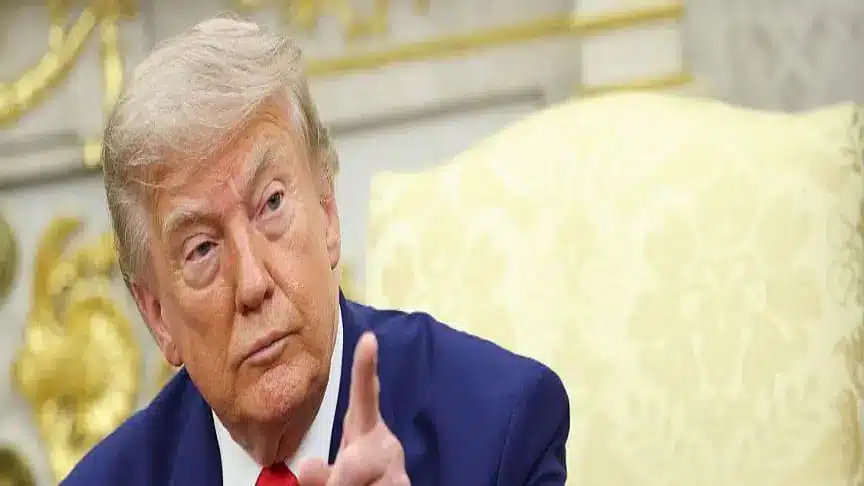
On Thursday, US Trade Representative Jamieson Greer, acting under the direction of President Donald Trump, announced that these duties would officially go into effect. "Today's action will begin to correct what is both a human rights abuse and distortive trade practice to improve the welfare of workers everywhere," Greer said in a statement. To implement the measure, Greer invoked Section 301 of the Trade Act of 1974, a statute governing US trade enforcement against practices that burden or restrict American commerce. This is distinct from the legal mechanism used earlier this week, when the administration invoked Section 338 of the Tariff Act of 1930 to levy a 50% tariff on Canadian goods.
According to the trade representative's office, the newly announced duties will apply to the top 60 US trading partners, collectively representing 99.4% of all US imports. During his second term, Trump has made the prohibition of imports produced with forced labor a critical element of reciprocal trade negotiations. The administration revealed that 10 trading partners have already agreed to enact such bans within their trade agreements, while other nations have established prohibitions in recent weeks in response to US investigations.
Under the new framework, trading partners that have made formal commitments to adopt and effectively enforce bans on forced labor imports will be subject to a 10% tariff. Meanwhile, those that have not made such commitments will face the higher 12.5% rate. Greer expressed optimism regarding the international response, stating he was "encouraged by the trading partners who have moved quickly to adopt forced labour import prohibitions, and look forward to ensuring their effective enforcement."
Trump has consistently maintained that tariffs are essential for protecting American workers, generating manufacturing jobs, and strengthening the domestic economy. Following his return to the White House last year, he introduced tariffs of up to 50% on global trading partners on what he designated as "Liberation Day," arguing the measures corrected decades of unfair economic treatment of the US. However, the US Supreme Court struck down those tariffs in February, ruling that the president had exceeded his authority by failing to secure congressional approval. This legal defeat resulted in tens of billions of dollars being refunded to the companies that had paid the levies.
In the wake of that ruling, the White House has pursued alternative import taxes, including the sweeping 10% temporary levy that expires on Friday. Washington has also implemented various other tariffs targeting nations like Brazil and Canada, while its ongoing trade conflict with China remains paused. Beyond economic goals, Trump has utilized import duties to pressure partners on non-trade matters, such as pushing Mexico on labor regulations.
Economists have repeatedly warned that such tariffs can drive up the cost of everyday consumer goods, including items like coffee and microwaves. Since importing businesses are responsible for paying these taxes, they frequently pass the additional expenses on to shoppers through higher retail prices. In response to the new measures, several trading partners are already evaluating potential legal challenges or preparing retaliatory tariffs. Furthermore, the administration is laying the groundwork for subsequent trade actions, with the US Trade Representative currently investigating 16 countries over allegations of manufacturing overcapacity, which could result in additional duties later this year.

Md. Kazi Bijoy is a dedicated tech enthusiast and content creator with a passion for digital innovation. With years of experience in the tech industry, he specializes in breaking down complex topics into easy-to-understand guides. When he isn’t writing, he explores the latest gadgets and researches emerging trends in the digital world.
1 thought on “US Imposes Tariffs on 60 Trading Partners Over Forced Labor”