A U.S. official has confirmed that interim Venezuelan President Delcy Rodriguez has granted a 100-year concession to a joint venture involving the U.S. government and an experienced private operator. The agreement covers oil fields estimated to hold 65 billion barrels of petroleum. Under the terms of the deal, the U.S. government will maintain 55% control, which includes equity interest and the right to obtain oil from the project at cost.
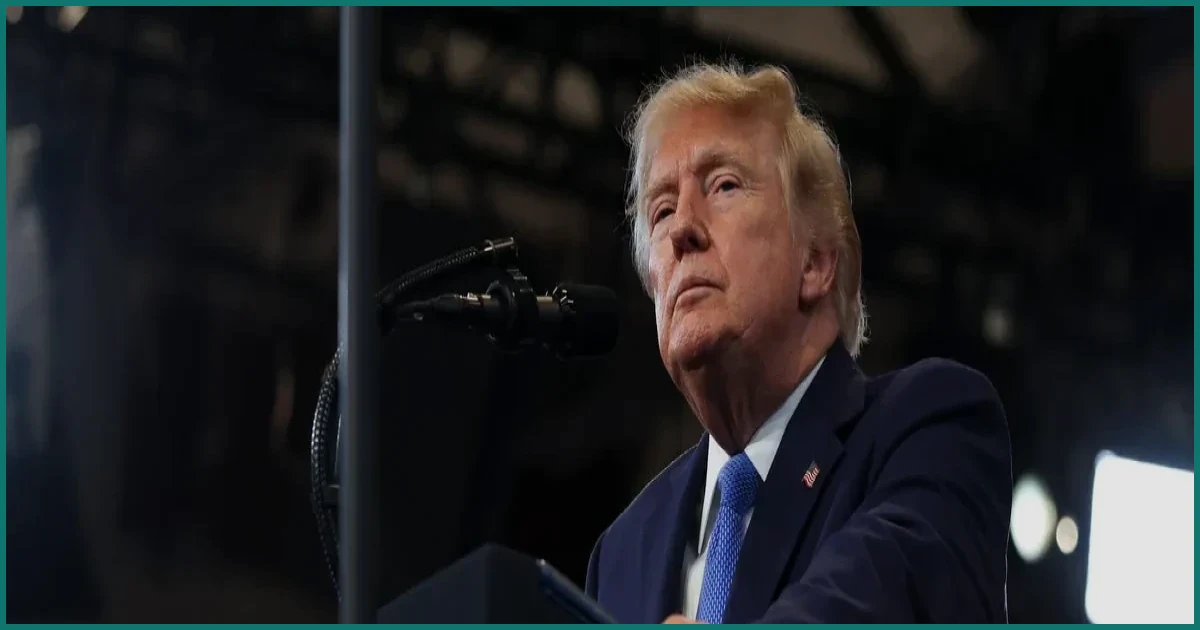
President Donald Trump highlighted the significance of the development on Truth Social, stating that the transaction more than doubles American oil reserves and will increase supply, ultimately lowering gas prices for Americans. He also expressed that the move supports Venezuela’s path toward future prosperity. The venture is currently positioned as the world’s second-largest corporate owner of proven oil reserves, trailing only Saudi Aramco.
While the specific private companies involved remain undisclosed, the landscape of foreign energy firms in Venezuela has been limited, with Chevron, Repsol, and Eni among the few maintaining a presence. Venezuela holds the world’s largest proven oil reserves at over 300 billion barrels, significantly more than the U.S., which possesses less than 50 billion barrels.
The agreement follows a period of shifting political dynamics in Venezuela. Following the capture of former leader Nicolás Maduro by U.S. military forces in January, Delcy Rodriguez assumed power and has since engaged with the Trump administration on energy cooperation. The U.S. Treasury Department has eased sanctions on the sector, and new legislation has been signed to facilitate private management of oil extraction.
Despite these changes, challenges remain regarding the country's infrastructure and history of asset nationalization. ExxonMobil CEO Darren Woods previously described Venezuela as "uninvestable" earlier this year, citing the seizure of company assets during the 1970s and 2000s under the administration of Hugo Chávez. Woods noted that significant legal and economic changes would be required for major firms to consider returning to the region, as many, including ConocoPhillips and ExxonMobil, departed after the nationalization of their assets nearly two decades ago. Chevron remains the only major U.S. oil company that has sustained its operations in the country throughout these shifts.
Related Articles

Meet Md. Rubel Rana
As a core contributor to Worlddincidents.com, Rubel Rana brings a unique perspective to the world of journalism. Whether it’s deep-diving into historical trivia or covering the latest global headlines, Rubel Rana is committed to delivering high-quality, high-impact articles. Their writing blends meticulous research with a compelling voice, helping readers stay informed and curious about the world around them.
1 thought on “U.S. Secures 100-Year Concession for 65 Billion Barrels of Oil”