Canadian Prime Minister Mark Carney has signaled a dramatic shift in his leadership, adopting a combative and unyielding stance as trade negotiations with the United States collapsed. Standing before a walnut-veneered lectern with a tense expression, Carney addressed the nation last Saturday, framing the ongoing trade dispute as an existential struggle. Reflecting on the breakdown of talks, he declared, “Last spring, I warned that America is trying to break us so that they can own us. And I promised: that will never, ever happen. We are keeping that promise.”
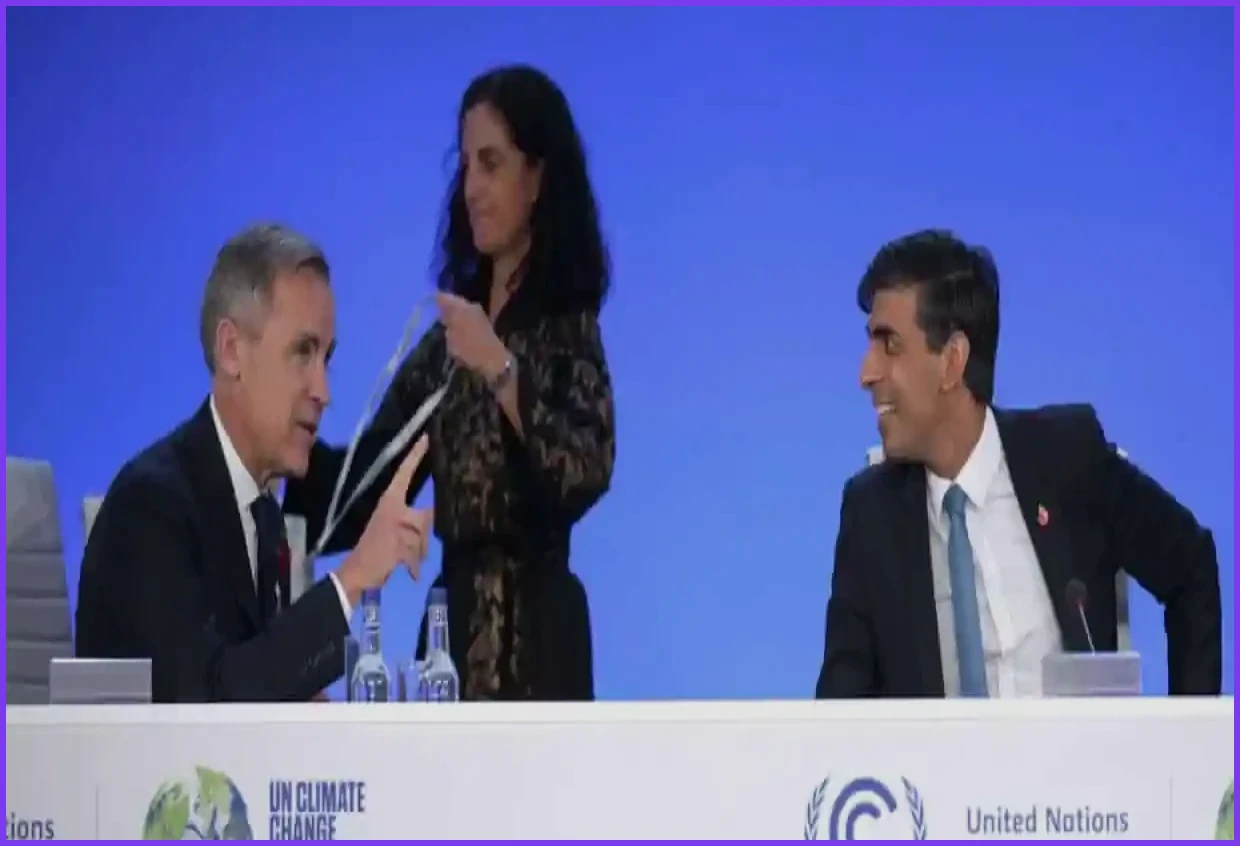
When questioned by a reporter about the sombre and aggressive tone of his address, Carney did not shy away from the characterization. “We were attacked. You’re at war when you get attacked,” he stated. “We got attacked.” This transformation from a former central banker—known for years of market-calming diplomacy—to a wartime leader has surprised many, yet observers point to his inherent determination as a consistent trait. A former colleague from his time as a UN special envoy for climate action in 2021 noted that his unwillingness to back down is a defining characteristic.
Carney’s career has been marked by a transition through powerful institutions, including his tenure as the governor of the Bank of England starting in 2013. His time in London was not without friction; he faced criticism from senior Labour MP Pat McFadden regarding communications strategy and had a public row with Conservative director Bernard Jenkin over Brexit. Despite these challenges, colleagues like Charles Randell, former chair of the Financial Conduct Authority, describe him as an incredibly driven and analytical figure who is careful with his communications. Randell noted that while Carney had his shortcomings, he remains one of the most impressive people he has worked with.
As prime minister, Carney maintains the high-discipline habits learned at Goldman Sachs, including early mornings, rigorous exercise, and a demand that ministers possess deep knowledge of their files. Reports indicate he insists on formal business attire and British spelling in official documents, a detail that has occasionally frustrated Canadian linguists. While his technocratic background remains evident, the current political climate has forced him to navigate the public costs of a trade war. University of Toronto economics professor Joseph Steinberg observed that while Carney prioritizes sovereignty in public, he is likely acutely aware of the economic fragility of the situation, noting that Canada faces a significantly more painful blow than the United States.
In response to the threat, Carney has moved to restructure Canada’s alliances, a strategy pollster David Coletto describes as operating on a “wartime-footing.” This has included abandoning previous policies such as carbon and electric vehicle mandates, fast-tracking oil pipeline projects, and increasing defense spending by tens of billions. Despite these pivots, Carney’s approval ratings remain steady. “The public has hardly blinked,” Coletto noted, suggesting that the prime minister’s nuanced read of the country has kept his support base intact during this period of uncertainty. Carney previously warned at Davos in January that “compliance will not buy safety” in a world dominated by hegemonic powers, a speech widely viewed as a critique of the US president’s approach to alliances.
Ultimately, Carney’s approach is rooted in the belief that Canada must set its own course rather than succumb to external pressures. During his address, he emphasized this resilience: “Canadians don’t submit to the weather – we thrive in it. We don’t wait to see which way the wind is blowing. Or surrender ourselves to the waves to be storm-tossed by events. We set our own course. We make our own weather. In Canada, we are masters in our own home, from coast to coast to coast.”
Related Articles

Meet Md. Rubel Rana
As a core contributor to Worlddincidents.com, Rubel Rana brings a unique perspective to the world of journalism. Whether it’s deep-diving into historical trivia or covering the latest global headlines, Rubel Rana is committed to delivering high-quality, high-impact articles. Their writing blends meticulous research with a compelling voice, helping readers stay informed and curious about the world around them.
1 thought on “Mark Carney Adopts Combative Wartime Stance Against President Trump”