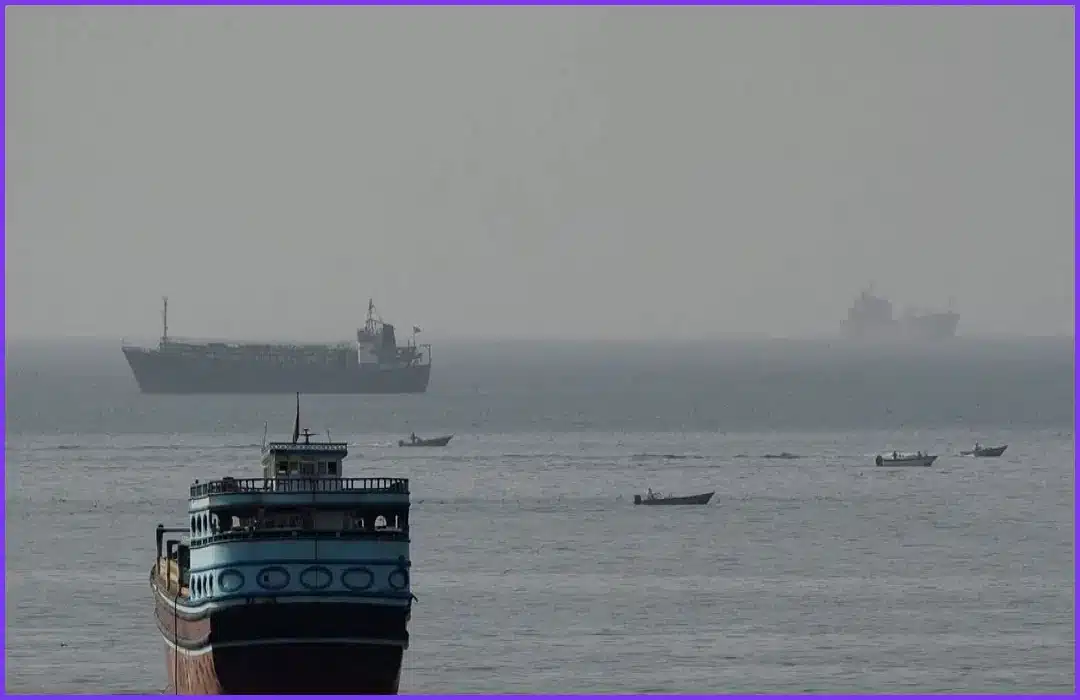
An Iranian parliamentary committee has approved a key provision in a draft bill that would allow Tehran to levy fees on ships navigating the strategic Strait of Hormuz, state media reported.
The National Security and Foreign Policy Committee of the Iranian parliament passed Article 3 of the proposed "Strategic Action Plan to Ensure the Security and Development of the Strait of Hormuz" on Sunday, according to the official IRNA news agency. Committee spokesperson Hassan Qashqavi stated that the approval came after consideration of the specific provision had been delayed during a previous session.
Under the approved article, Iran would collect fees for various maritime services. These include navigation assistance, environmental services, emergency fuel supplies, insurance, and security provisions within the strait. Qashqavi clarified that these charges would apply to vessels from countries permitted to transit the waterway. Payments are to be collected in Iranian rials or any alternative currency specified by Tehran.
According to Qashqavi, the draft legislation respects the rights of other nations bordering the waterway. He emphasized that the text acknowledges the freedom of maritime navigation in accordance with international laws and regulations, while simultaneously asserting the sovereignty, security, and rights of coastal states.
The Strait of Hormuz, a vital maritime corridor for Gulf oil and gas exports, has become a central point of contention amid ongoing efforts to resolve the US-Israeli war on Iran, which erupted in February. Prior to the conflict, ships enjoyed free passage through the strait. However, Iran is now demanding regulatory control and the right to impose transit fees, a stance that the United States rejects.
For the draft proposal to officially become law, it must complete several legislative stages in Iran. Following the committee's approval, the bill will be presented to the full parliament for a vote on its individual articles and the final text. If passed, the legislation moves to the Guardian Council, which reviews its constitutionality. Any constitutional objections would return the bill to parliament. If a dispute persists, the Expediency Council may step in to resolve the deadlock. Once cleared by the Guardian Council, the bill will be signed into law by the president and take effect.
Related Articles

Mr. Udoy is a professional Web Developer and Blogger with 7+ years of experience in the tech world. He specializes in web architecture and digital storytelling. As the driving force behind worldincidents.com, he focuses on delivering high-quality, well-researched content to a global audience.