Polling stations across Israel closed on October 27 following heavy voter turnout in the nation's first parliamentary election since the October 7, 2023 attack by Hamas-led militants. The vote stands as a major referendum on Prime Minister Benjamin Netanyahu's right-wing coalition of nationalist and religious parties, his management of the initial security failure, and his conduct during subsequent military campaigns across Gaza, Lebanon, and Iran.
Having served over 19 non-consecutive years in office, Netanyahu faces a formidable challenge from former military chief Gadi Eisenkot, whose centrist bloc emphasizes institutional checks, democratic norms, and repairing key foreign partnerships.
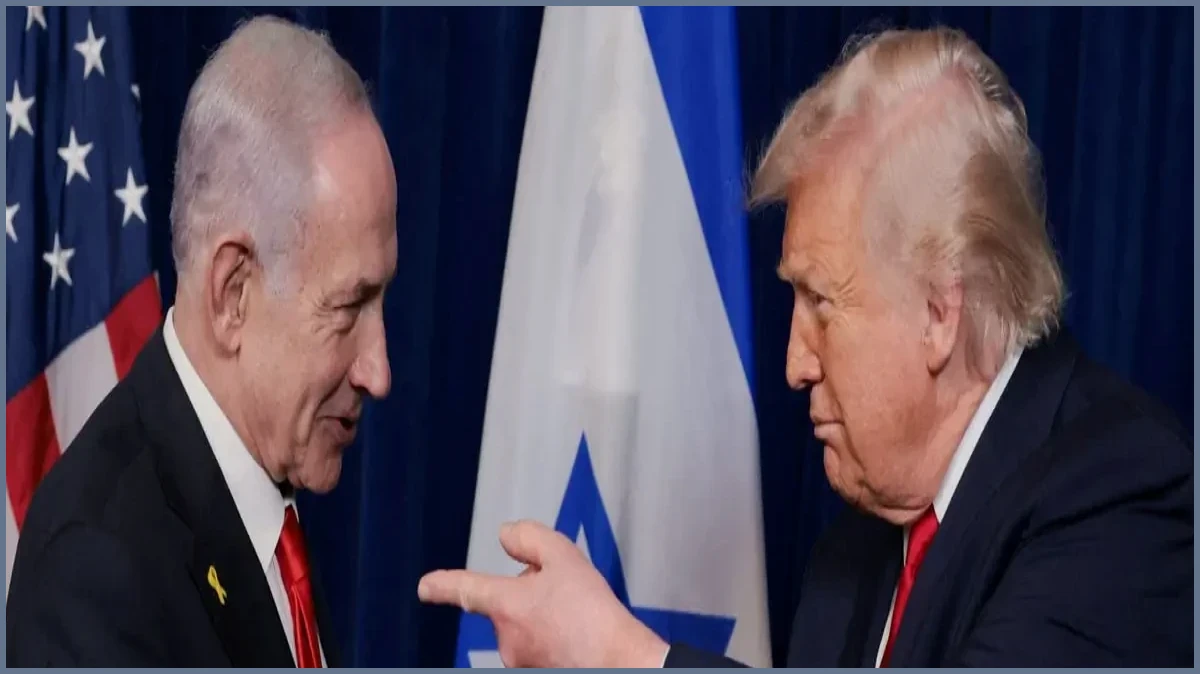
The election outcome holds major implications for the United States, coming just one week before American congressional midterm elections. U.S. President Donald Trump has remained closely aligned with Netanyahu, particularly following joint military strikes targeting Iran in February. Trump publicly endorsed the Israeli prime minister as a "Warrior Prime Minister," and campaign billboards throughout Tel Aviv displayed images of the two leaders set against fighter jets.
As the Trump administration faces domestic political pressure over an unpopular regional conflict that has driven up gas prices, both leaders have hinted at the potential for additional strikes. Netanyahu previously characterized the conflict with Iran as unfinished business shared by both nations, releasing a video of a phone call with Trump where he declared that the two leaders would finish the job together.
Netanyahu's principal opponent, the 66-year-old Eisenkot, leads the centrist Yashar party, which he established in 2025. A working-class lawmaker raised in a Moroccan Jewish immigrant family, Eisenkot served as chief of staff of the Israel Defense Forces from 2015 to 2019 before joining Netanyahu's wartime cabinet after October 7, 2023.
Eisenkot lost a son and two nephews during combat in Gaza. Unlike Netanyahu, Eisenkot advocates for an independent state inquiry into the October 7 security failures—an investigation Netanyahu's government has blocked—and supports ending long-standing military service exemptions for ultra-Orthodox Jews.
Foreign policy analysts note that Eisenkot presents a distinct approach to regional strategy and diplomacy. While he supported earlier strikes against Iranian nuclear sites, Eisenkot has expressed a preference for diplomatic engagement with Tehran. He has voiced support for rebuilding functional relations with the Palestinian Authority, opposing both the full annexation of the West Bank and the immediate creation of a fully sovereign Palestinian state, while actively criticizing settler violence in the West Bank.
Analysts also indicate Eisenkot would move to align more closely with Trump's framework for peace in Gaza and prioritize restoring broad bipartisan support in the U.S. Congress, where ties with Democrats have frayed. Lianne Pollak-David, who assisted in shaping Yashar's foreign policy structure, warned that deteriorating U.S.-Israel ties represent a critical danger that the party aims to reverse.
Determining a clear winner in the 120-seat Knesset will require extensive time due to Israel's proportional representation system. Voters cast ballots for political party lists rather than individual candidates, and parties must clear a 3.25 percent electoral threshold to secure parliamentary seats. With no single party expected to claim an outright 61-seat majority, intensive coalition negotiations between party leaders will follow. These bargaining efforts could stretch over weeks or months.
According to the Council on Foreign Relations, if neither Netanyahu nor Eisenkot manages to assemble a governing majority, Netanyahu could remain in office as caretaker prime minister until another election is called. Political analysts suggest this could leave Trump managing relations with a politically constrained Netanyahu amid an extended governance deadlock in Jerusalem.
The election has mobilized voters far beyond Israel's borders, with more than 7.3 million registered voters overall. The AID Coalition, a U.S.-based organization focused on Israeli democracy, estimated that tens of thousands of dual citizens and expatriates flew to Israel to participate. Organization president Jonathan Barsade emphasized that voters across the entire political spectrum viewed the ballot as pivotal for the country's trajectory.
Among those returning to vote, opinions reflected deep polarization over judicial independence, West Bank settler violence, Gaza reconstruction, and the country's growing international isolation.
One U.S.-based dual national noted that a return of Netanyahu's hawkish bloc could permanently alter the nation into a security state lacking judicial checks, while New York-based musician Maya Ben-Meir pointed to Netanyahu's refusal to accept responsibility for October 7, emphasizing that Israeli leadership directly impacts Jewish life globally.
National security and accountability surrounding the October 7, 2023 attacks have remained central to political debates. The initial attack resulted in approximately 1,200 deaths and the abduction of 251 hostages, triggering an extensive Israeli military response that devastated large portions of Gaza, caused tens of thousands of deaths according to the Gaza Health Ministry, and broadened into fighting in Lebanon.
Ahead of the vote, survivor groups and relatives of hostages urged citizens to vote for candidates pledged to a full state inquiry, while Netanyahu initiated legal action against domestic news outlets alleging he had received advance warnings of the attack.
Furthermore, Netanyahu rejected a 2025 United Nations commission finding of genocide, and his government dismissed a subsequent UN report released this month alleging continued genocide as a misinformation campaign.
According to analysis from the Council on Foreign Relations, the final election outcome is unlikely to produce a sudden reversal in Israel's core foreign policy. A wide consensus endures across the Israeli political spectrum regarding firm stances against Iran, Lebanon, and Syria, as well as firm opposition to a sovereign Palestinian state in the near future.
However, a shift in parliamentary leadership could alter the tone of bilateral communications, offering Washington added flexibility in its regional initiatives and prompting a firmer domestic stance regarding West Bank settler violence.
Related Articles

Md. Kazi Bijoy is a dedicated tech enthusiast and content creator with a passion for digital innovation. With years of experience in the tech industry, he specializes in breaking down complex topics into easy-to-understand guides. When he isn’t writing, he explores the latest gadgets and researches emerging trends in the digital world.