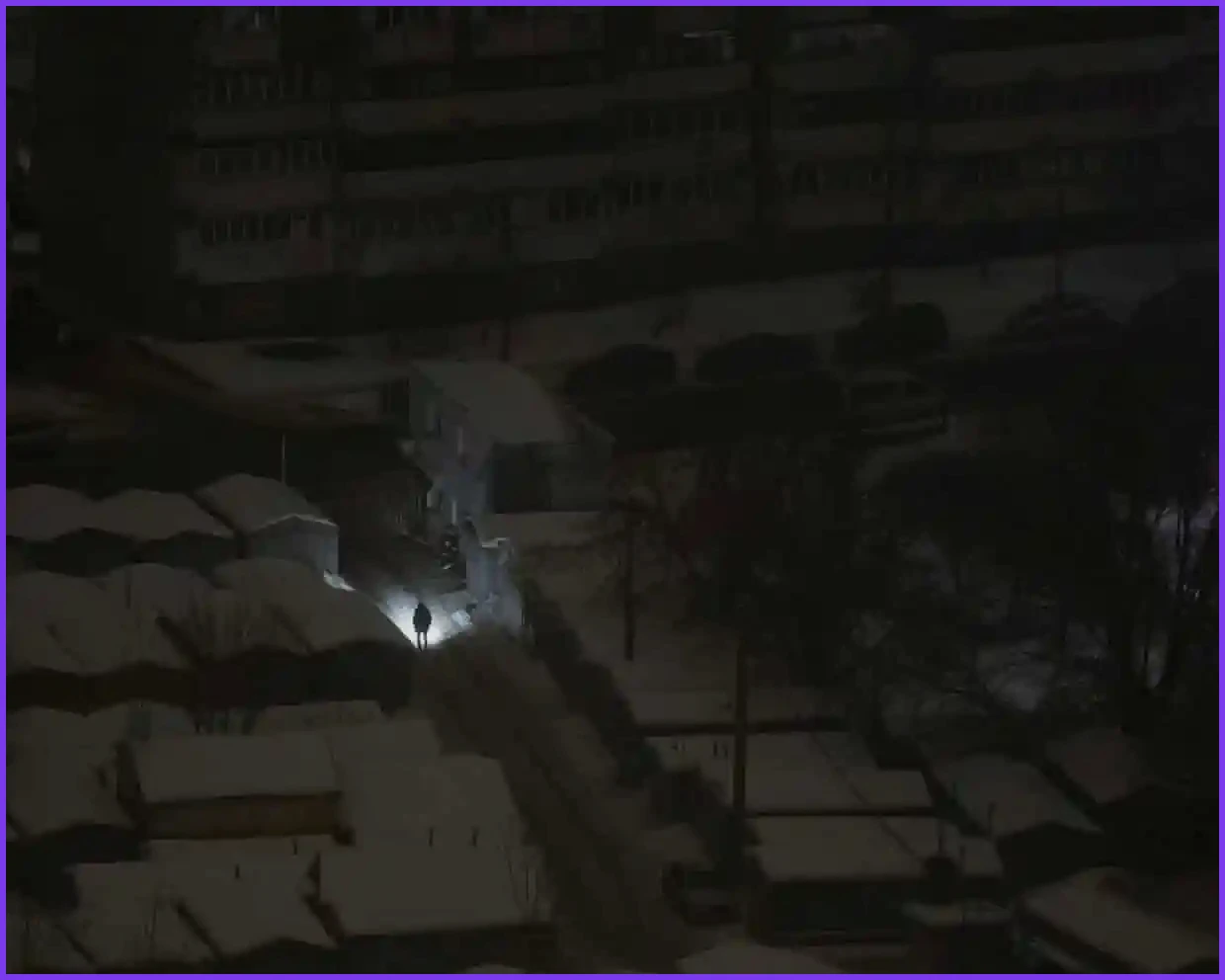
A series of methodical Russian missile and drone attacks on Ukrainian power plants has raised concerns that the Kremlin is executing a calculated blueprint to destroy living conditions in major cities. As frontlines in the conflict remain largely frozen, Russia has shifted its focus toward punishing the Ukrainian population, with the goal of driving the country toward capitulation through a systemic degradation of its energy and utility sectors. Despite Donald Trump’s recent declaration of an “energy ceasefire,” the strikes have continued with devastating precision.
Intelligence intercepted last month by Ukraine and briefed to European allies suggests the campaign aims to destroy electricity, heating, water, and sewage systems. The document, titled Analysis of Ukraine’s Energy, Housing and Utilities Sectors, chillingly predicts that such destruction would result in a "deterioration of sanitary conditions and the forced outflow of residents from cities." While the document does not name a specific Russian agency, European officials familiar with it believe it originated from departments linked to Russian military or intelligence services, and that copies have circulated in Ukraine in previous years.
The execution of this strategy has become increasingly visible this week. On Tuesday night, Russian strikes hit three major facilities in the Kyiv region: Combined Heat and Power Plants 4 and 5, and the Trypillya Thermal Power Plant. Additionally, a major electrical substation that channels power from two of the country’s main nuclear sites to the capital was targeted. These strikes, along with others forming the “Kyiv energy ring,” threaten a humanitarian catastrophe for the city's 3 million residents. According to reports from the Ukrainian news outlet Economic Pravda, these three plants no longer have the ability to generate electricity, forcing the capital to rely on power imported from other parts of the country.
Ukrainian Energy Minister Denys Shmyhal has previously warned allies about the technical nature of these plans, which include detailed tables specifying the number of ballistic missiles, hypersonic cruise missiles, and jet-powered drones required to effectively neutralize specific facilities. The documents suggest that a successful campaign could destroy over 90% of Kyiv's winter energy capacity. Expert projections indicate that if the infrastructure is not adequately repaired, residents could face daily blackouts lasting up to 20 hours during the winter months.
The intensification of these attacks occurs as Ukraine faces a shortage of U.S.-provided PAC-3 missiles, leaving the energy grid vulnerable. Meanwhile, President Volodymyr Zelenskyy has castigated city authorities for inadequate winter planning and failing to protect critical infrastructure. With protests over heat and electricity blackouts planned for Saturday, the potential for a humanitarian crisis is fueling fears of a domestic political challenge for the wartime government. Political analyst Volodymyr Fesenko noted that the Kremlin, seemingly having abandoned the hope of a quick military victory, is now focusing on the destruction of infrastructure to break the resolve of the Ukrainian people.
To do so, it specifies the number of weapons that should be allocated – Geran 4/5 jet-powered drones and hypersonic or cruise missiles – in order to destroy key infrastructure such as thermal power plants, substations, water pumping stations and more.
Related Articles

Mr. Udoy is a professional Web Developer and Blogger with 7+ years of experience in the tech world. He specializes in web architecture and digital storytelling. As the driving force behind worldincidents.com, he focuses on delivering high-quality, well-researched content to a global audience.